
Death of Albine
Film
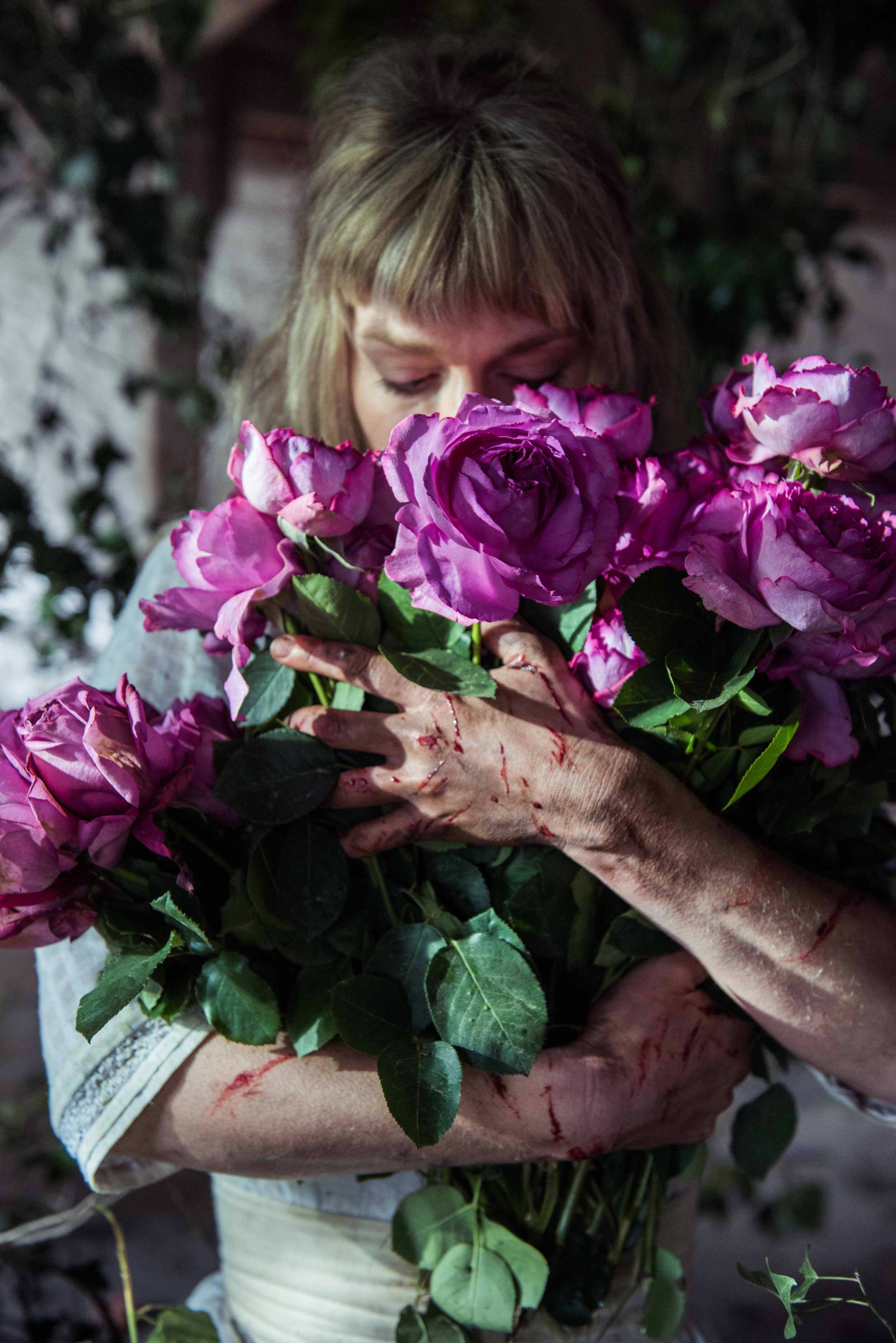
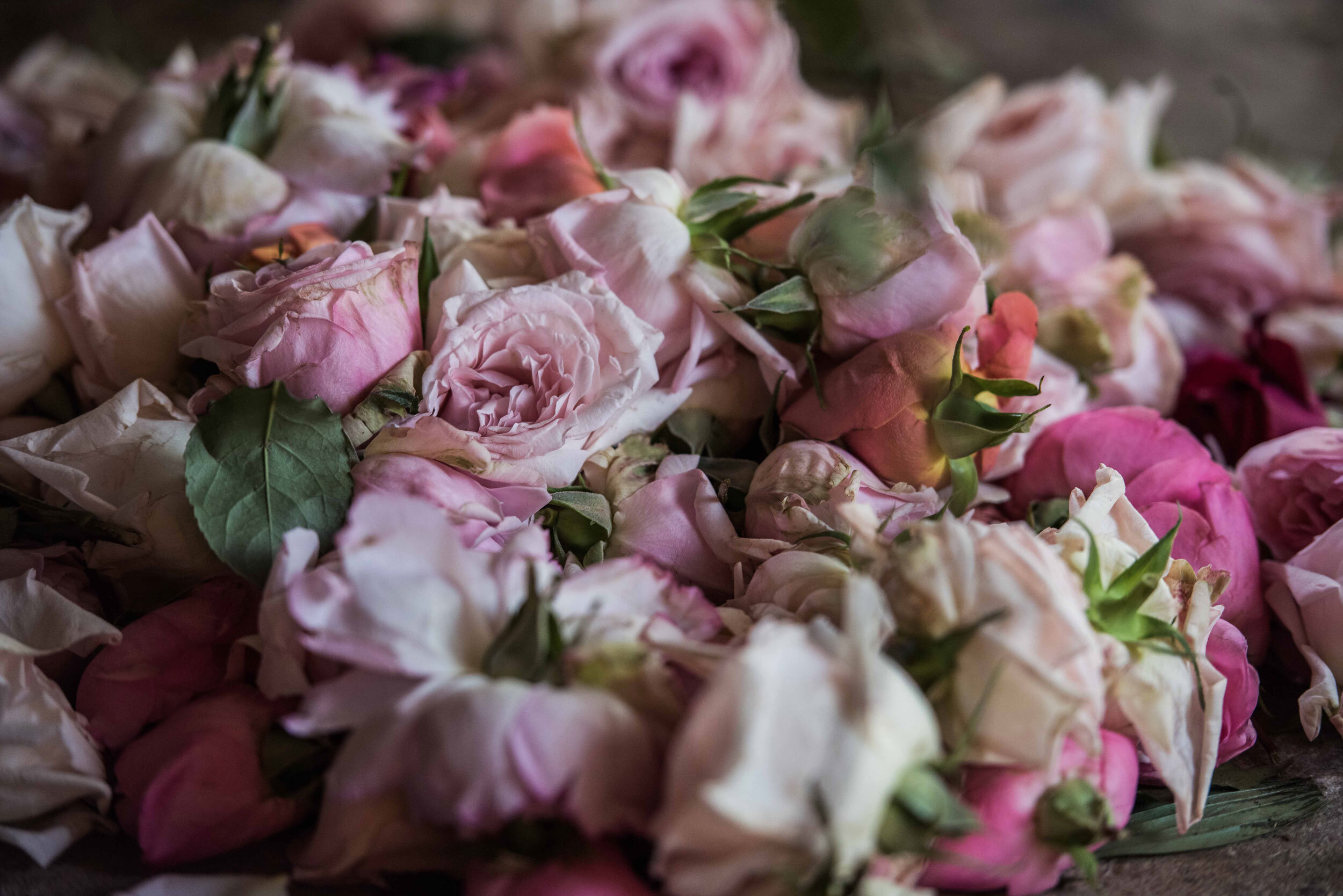
‘Death of Albine‘ is a collaborative film project between Found Studio and Rebecca Louise Law, inspired by elements of the Naturalist novel, ‘The Sinful Priest’ by Emile Zola.
“This book was given to me at the start of my art practice in 2002 and was an inspiration into how far you can use flowers within the creative arts. In this case, Zola uses flowers to describe human emotion and physicality through words.
I have used the extremities of Zola’s writing as an inspiration throughout my art practice. The relationship between the human being and nature is at the core of my work and to capture this essence is what drives me forward. I have wanted to make a snapshot of this scene since art school, so it’s incredibly exciting to finally bring this to life.”
— Rebecca Louise Law



Excerpt from ‘The Sinful Priest’
‘She had always obeyed the voices of the trees. She could not remember having injured a single flower. She had ever been the beloved daughter of the greenery, yielding to it with full belief in the happiness which it promised to her.
She halted and looked around her. The great gloomy masses of foliage preserved deep silence. The paths were blocked with black walls of darkness. The distant lawns were lulling to sleep the breezes that kissed them. She thrust out her hands. It could not all end thus. But her voice choked beneath the silent trees. Three times she implored the garden to answer her, but no explanation fell from its lofty branches, not a leaf seemed to be moved with pity for her. She was entering into the fatal sternness of winter.
She caught sound of a gentle murmur speeding along the ground. It was the farewell of the plants, wishing one another a happy death. To have drunk in the sunshine for a whole season, to have lived ever blossoming, to have breathed continual perfume, and then, at the first blast, to depart, with the hope of springing up again elsewhere, was not that sufficiently long and full a life which obstinate craving for further existence would mar?
Ah how sweet death must be; how sweet to have an endless night before one.
She stayed her steps once more; but she no longer protested as she stood there amidst the deep stillness of the Garden. She now believed that she understood everything. The garden doubtless had death in store for her as a supreme culminating happiness.
It was to death that it had all along been leading her in its tender fashion. After love, there could be nought but death. And never had the garden loved her so much as it did now; she had shown herself ungrateful in accusing it, for all the time she had remained its best-beloved child. The motionless boughs, the paths blocked up with darkness, the lawns where the breezes fell asleep, had only become mute in order that they might lure her on to taste the joys of long silence. They wished her to be with them in their winter rest, they dreamt of carrying her off, swathed in their dry leaves with her eyes frozen like the waters of the springs, her limbs stiffened like the bare branches, and her blood sleeping the sleep of the sap. And, yes, she would live their life to the very end, and die their death. Perhaps they had already willed that she should spring up next summer as a rose in the flower-garden, or a pale willow in the meadow-lands, or a tender birch in the forest. Yes, it was the great law of life.’